
Blog
Understanding Joint Pain and Arthritis: A Herbalist’s Approach
Joint pain and arthritis are common reasons for booking in with a herbalist. Herbal treatment aims to correct the mechanisms causing the pain and arthritis. However, since there are many types of arthritis and various origins of pain, our first job is to investigate what is happening for you.
Here are some common underlying factors that we often explore
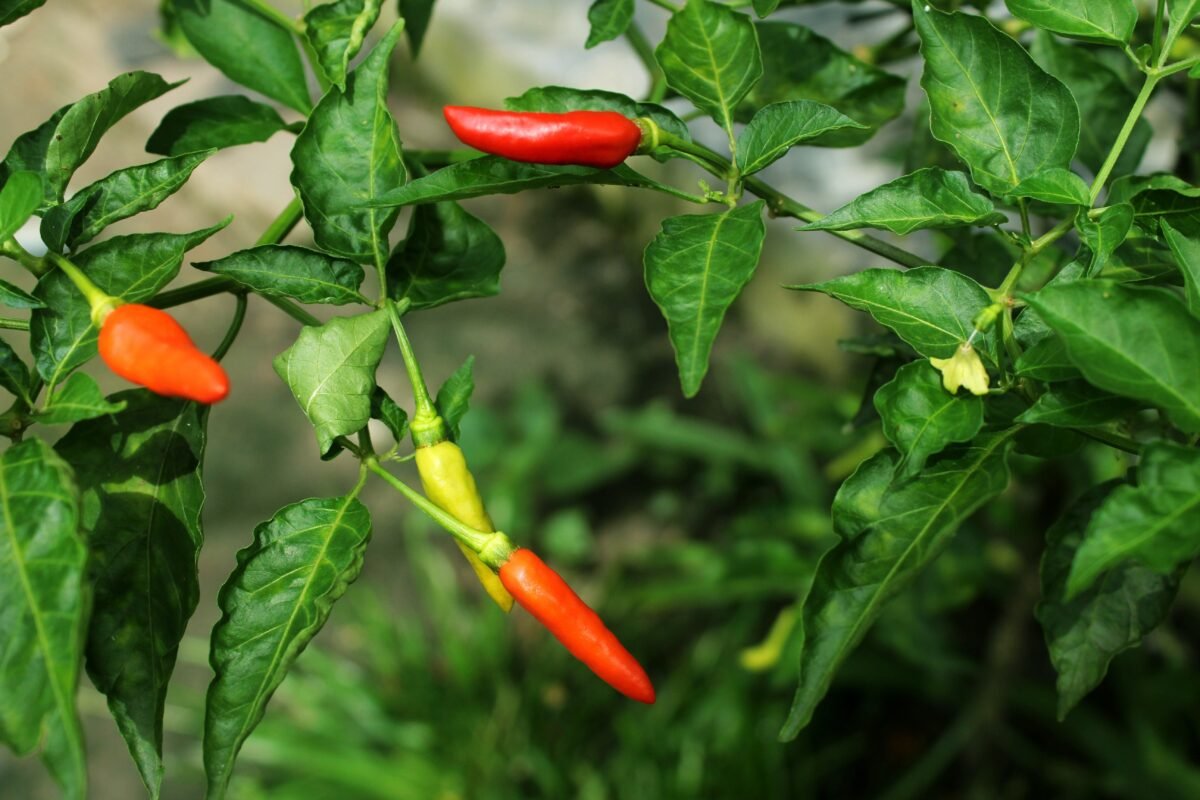
- Poor circulation. When circulation is compromised, essential nutrients can’t reach the joint effectively. Herbalists will prescribe warming circulatory herbs as appropriate for each case, such as Ginger or even Chilli.
- Waste product accumulation. This is well recognised in inflammatory conditions such as gout, but we often see it contributing to other types of arthritis as well. A wide array of herbs and supplements can help encourage waste clearance. For instance, our herbalist Robyn James often prescribes the enzyme Serrapeptase to encourage the breakdown and removal of wastes from joint capsules.
- Distant Inflammation. Inflammation elsewhere in the body, especially in the gut or the mouth, can trigger wider inflammatory changes. Addressing these is a crucial part of any strategy for achieving lasting health improvements and reducing pain.
- Food intolerances. These can play a significant role in joint pain. Some individuals find that plants from the Nightshade family( like potatoes, tomatoes and aubergines) don’t agree with them, whilst for others, dairy or certain seed oils might be the culprits. A herbalist will often recommend using a food diary to pinpoint these triggers.
You should remember that herbal treatments often require time and patience to turn the picture around. Conventional anti-inflammatories and painkillers can be useful in the meantime for relieving symptoms, but it is wise to seek the advice of a herbalist to check whether these are ok alongside your herbs. A herbalist could also prescribe some topical treatments such as anti-inflammatory creams and ointments incorporating herbs such as Arnica or Ginger. These can be remarkably effective in relieving discomfort when used correctly.
Our herbalist Sue Pitt agrees If you suffer from aches and pains in your joints, you may naturally turn to over the counter anti-inflammatory medicines such as ibuprofen. These certainly do help to reduce the pain and swelling in the short term, but they can have problematic side effects which mean their use should be kept to a minimum. As herbalists we take a more holistic approach. We do have great anti-inflammatory herbs, but we would also aim to improve the circulation to the joint and to make sure that the removal of toxic wastes from the body is working efficiently. This might involve optimising liver and digestive function and using diuretic herbs.
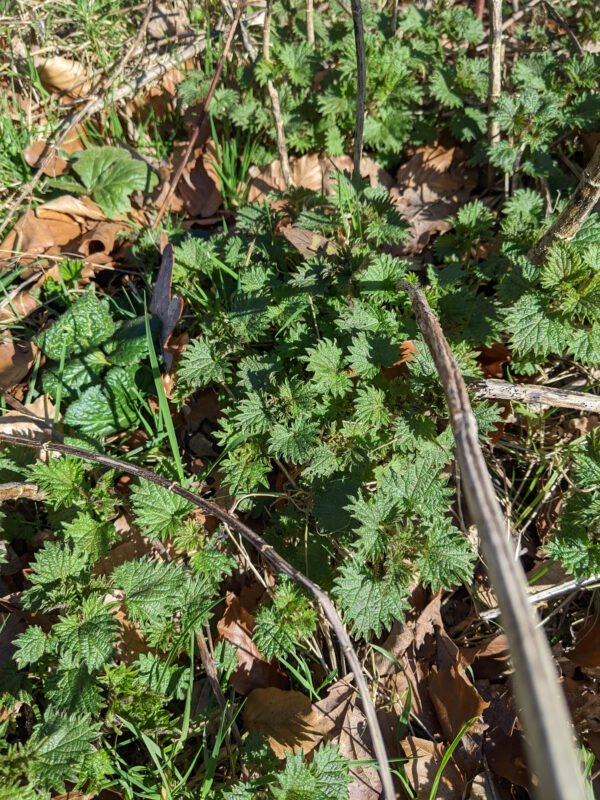
One of the best herbs we use for arthritis is nettles – which is perfect for harvesting at this time of year while the leaves are young and fresh. I am a coward, so I use rubber gloves to avoid being stung, but others seem to have the knack of harvesting without them. The leaves can be used to make nettle soup and can be drunk freely as a herbal tea either fresh or dried.
A tincture of nettles may well form part of a herbal prescription for arthritis too. Research has shown that people taking nettles may need 50% fewer anti-inflammatories to control their symptoms. This is because they reduce the cytokines which stimulate inflammation as well as being diuretic and a great detoxifier. If you are feeling brave you could also try a traditional approach of using nettles to sting the skin all around the joint. I can see how this might work by increasing the circulation to the area and also distracting from the pain by altering the neural pathways to the brain – but I think you might do better to take them as a tea!
Herbalists Sara Furness and Carol Burnett find yoga very useful for keeping joints flexible. Sara says “that post menopause, it’s maintenance of strength , flexibility and functional balance that seems important. A daily practice, even 10-15 minutes helps me. Along with turmeric, freshly ground black pepper and beetroot powder in my breakfast bowl.
Carol says “ I will ditto yoga for keeping the aches away. Recently I did an intense 4 week Ashtanga practice twice a week, and though it was really hard I found the increase in core strength and in my arms and legs really helped the cronky knees and hips. Keeping muscles strong enough to support joints is key I believe, and it’s frightening how soon muscle strength disappears. As the American herbalist Susun Weed says, carrying water, chopping water and gardening really helps.” Or as our herbalist Joy Holmes says, Motion is Lotion!
