
Blog
Holistic self care
The New Year is traditionallya time when we start to think about how to safeguard our health. So we asked our therapists for some ideas about how they look after their own health and the advice that they give to their clients for making positive changes. Holistic health means that we work to foster emotional and mental change as well as helping with the physical adjustments and herbal treatments for the symptoms and signs of ill health.
Herbalis t Robyn James talks about the need to address your personal challenges. ‘Many of my patients have long recovered from their original reason for coming to see me, but they still like to come back every few months in order to review their health. What we talk about depends on the person, as we all have our own individual challenges. But here are some common themes.
One is about stress and perfectionism. I look out for the “should”s when people say that they “should be” able to cope better, do more, achieve higher goals! Should they? Who says? Is that really what they want?
Another is about boundaries and people-pleasing. How do you express your own needs with clarity and kindness?
Then of course, we have to look at diet, nutrition and exercise. I like to turn this around to focus on having more of what makes you feel great, rather than less of what makes you feel bad.”
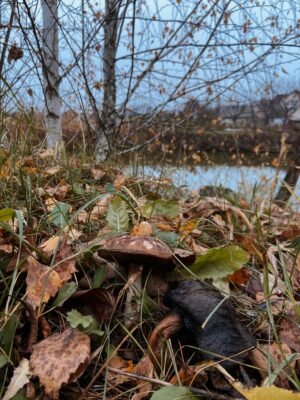
Sara Furness emphasises closeness to the natural world “As a herbalist with a special interest in the major shifts we can experience in life, especially bereavement and grief, I find myself continually returning to the seasonal changes occurring around us in the natural world. The underlying essence of each season inspires me to notice changes in myself, to see myself within a wider natural process of rising and falling energy…
Rather than a static state, health for me is about dynamic equilibrium…doing my best to notice and respond helpfully to what’s happening within and around me…
My favourite herbs for winter are the berries…elder, hawthorn, bilberry…deeply nourishing on many levels.
It’s a time for slowing down, reflection and creativity…out come the knitting needles! Walking and infusing myself in the sounds and stillness of winter is my favourite pastime…processing the events of the year, inviting new ideas to slowly take shape…”
Alexander Technique teacher Hester Singer describes health as being about recognising when and where there is choice and taking responsibility for our choices, whilst remaining kind to ourselves.
“Through greater awareness of our reactions and how we use our body and mind we learn about choice. By introducing a pause we can notice our habitual reactions and choose alternatives if our usual responses are not serving us well. By calming the nervous system, releasing muscular tension and using our bodies in the way they were designed to be used we gain less physical pain and greater movement with less risk of injury.
I practice the Alexander Technique ‘lie down’ every day for at least 15 minutes. In every day life I practice a grounded awareness of my surroundings and my presence in the surroundings- ‘mindfulness in activity’.
This helps me stay centred in myself whatever is happening around me. I pass this experience and possibility on to my clients through hands-on work. Like Robyn, I find that people come back for sessions when they see the possibilities for a deeper understanding of health than just the absence of a ‘problem’.”
 Herbalist Joy Holmes advises small sustainable changes, sometimes just one thing. ”Feeling good about one thing sets you up for further success. Lifestyle changes are always hard so I agree with Robyn, having more of what’s good for us can make us want less of what’s bad, especially when we start to feel the benefit. With my patients I try to understand the constraints they are under and work with them to make small sustainable changes, sometime just one thing. Health to me is more than the absence of disease, it is feeling optimistic about the future and my place in it.
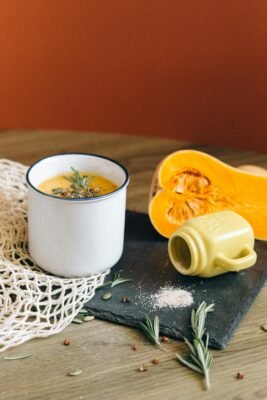
When asked about her own self care routines, Joy says that ”following the festivities I try to keep an eye on my sleep andnutrition. Adding delicious soups to my weekly diet is a great way to use up veggies. The lack of routine over the holidays never does me any good so I try to get back into my routine. The only regular supplement that I take is vitamin D although I do have a herbal tea that has about 15 different herbs. I try to achieve 30 different plants a week and that’s my hack for when I’m struggling. Exercise wise, I try to walk daily especially after a meal. Reducing stress for me involves making task lists for the week ahead and ticking them off as completed.”
Herbalist Carol Burnett also focuses on diet and nutrition. She always asks her patients to get their Vitamin D levels checked with their GP, as low levels impact on on so many things, especially immunity, mood and bones. If levels are low, supplementing with a standard dose will at best tread water, a high dose from your GP would be needed to really make a difference. She also points out that anyone suffering fatigue should get their iron levels checked. Low iron can make you feel awful, but supplementing if you don’t need it can be dangerous.
Carol says that “During the winter maintenance herbs can often be incorporated into cooking, Garlic, ginger, thyme, rosemary, sage, chilli, turmeric, cumin are all great to keep away winter bugs and good handfuls of the green stuff, parsley, coriander, watercress. Preserved berries, elderberry syrup, blackberry vinegar, dried cranberries.
Vitamin D is one of my maintenance supplements, along with magnesium.
I like to have a maintenance herbal tincture and/or tea on the go to keep me ticking along, herbs for my heart and circulation, liver, immune system, nervous system, usually the same basic recipe that can be tweaked if the need arises.In short herbs are great for acute or chronic illness, but have a secret power to keep you well if incorporated into daily life before you get ill.”
